Tao Yun Huang 黃 韜 云
Hardware Engineer
01 — Profile
Experience & educationElectromechanical systems from the physical layer up — hand-etched PCB, closed-loop motion control, embedded firmware. Commissioned on site, then kept running.
Experience
Education
02 — Capability
Matrix & certifications- Circuit & Signal Diagnosis
- Component-level root-cause analysis · Oscilloscope, logic analyser & multimeter · EMI and noise isolation · Grounding · Power distribution & signal integrity · Schematic reading & layout · Analog design · Hand etching · Soldering & rework · Component selection & BOM
- Motion & Closed-Loop Control
- Closed-loop PID across position, velocity and torque · Long-travel high-mass axes tuned for smooth trajectory · Servo & stepper drives over EtherCAT · Absolute encoder feedback · Multi-axis synchronisation · Solenoid & pneumatic actuation · CO₂ / O₂ delivery and valve control · Leak checking by soap test and pressure decay · Mechanism design under weight and balance constraints
- Field Service & Commissioning
- Installation, commissioning and handover sign-off · Scheduled preventive maintenance · Corrective maintenance & on-site fault isolation · Remote monitoring · Multi-day continuous duty under load · Client-facing through delivery and escalation
- Fieldbus, Network & Embedded
- EtherCAT motion bus · Ubiquiti UniFi — certified UWA and UFSP · Site Manager, Cloud Gateway, routing and switching · Complete remote and offline-capable service stood up from zero · Embedded C++ · UDP / OSC · UWB positioning
- Software, Data & ML
- Python · PyTorch · Computer vision (YOLO) · Visual SLAM and 6-DoF pose estimation · Real-time inference on device · Sensor and log data from deployed systems · Unity · Swift / ARKit
Enough to stand up a complete networked service from nothing — gateway, routing, switching, wireless and remote access — and keep it reachable when the site has no usable uplink of its own.


03 — Works
06 sheets · 2022 — 2026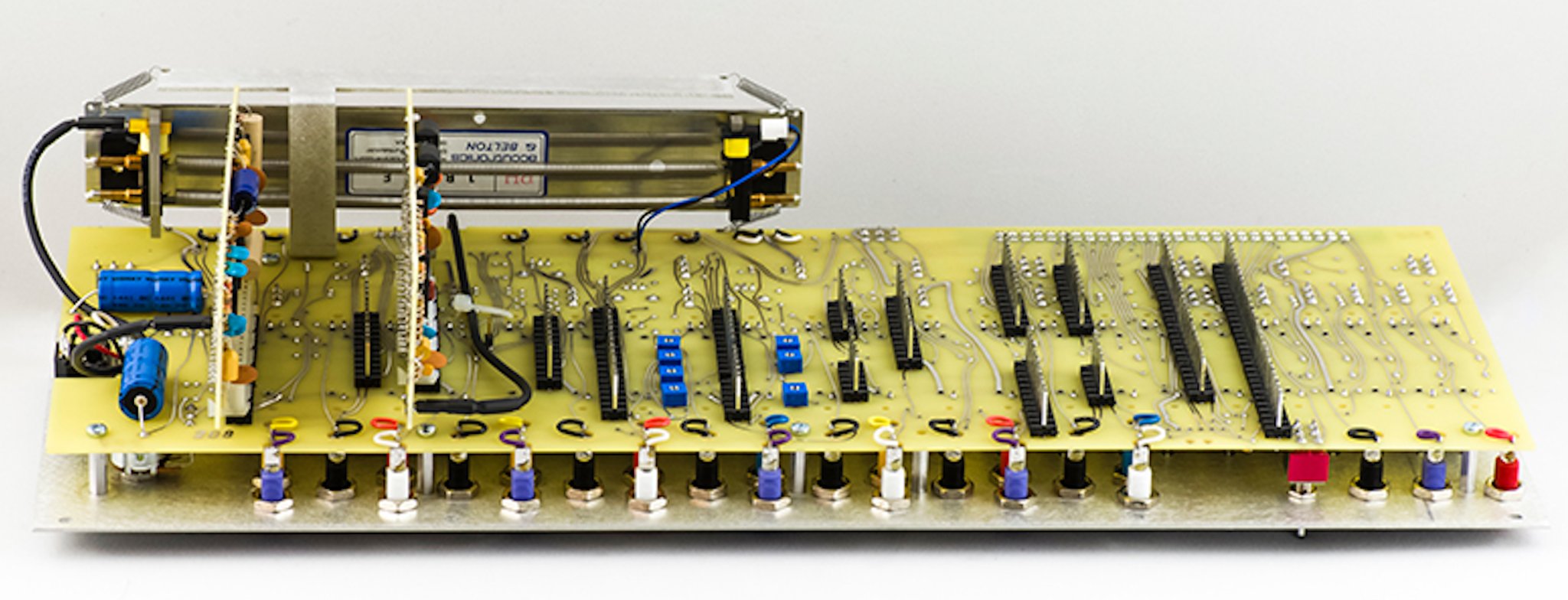
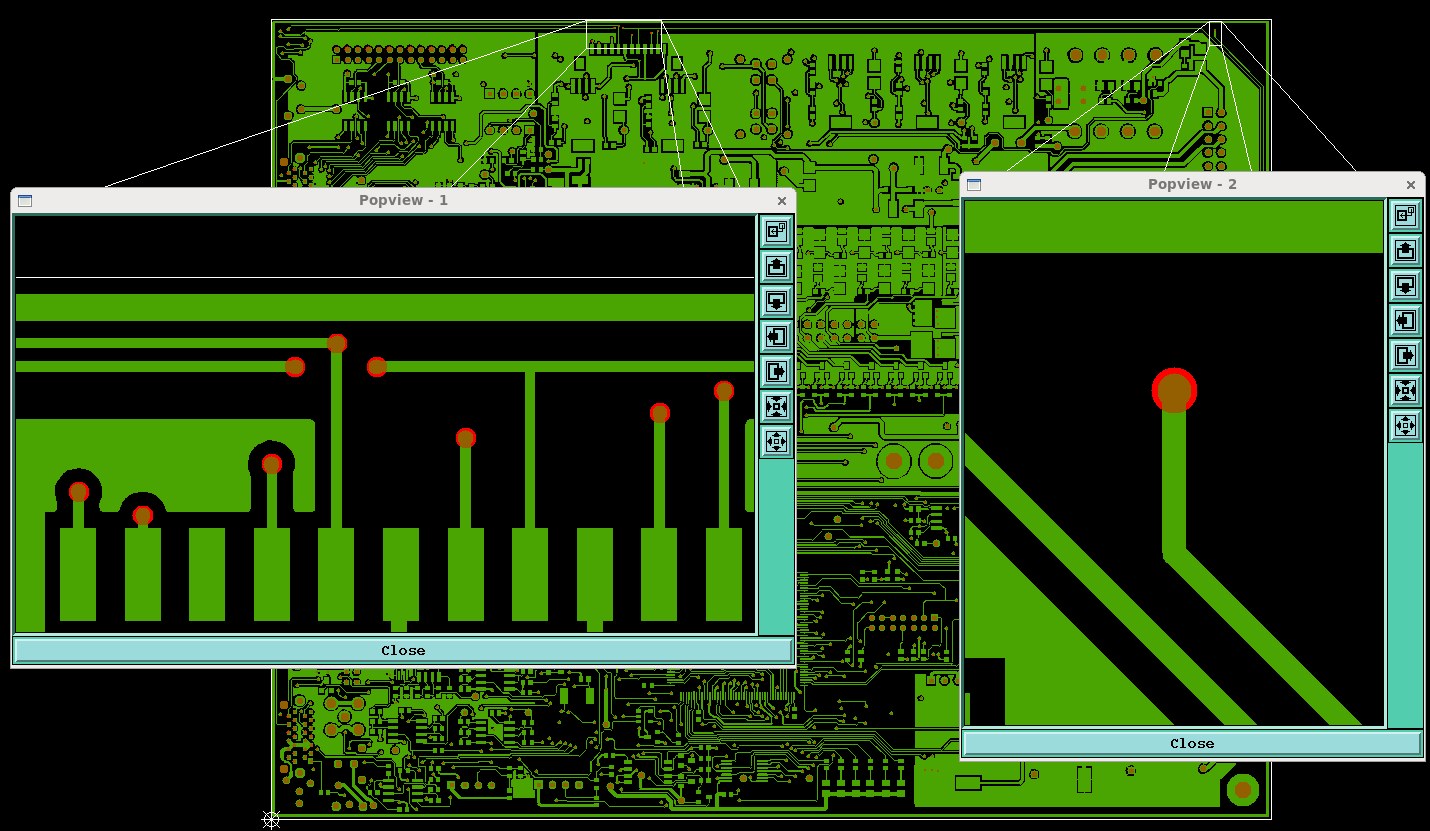
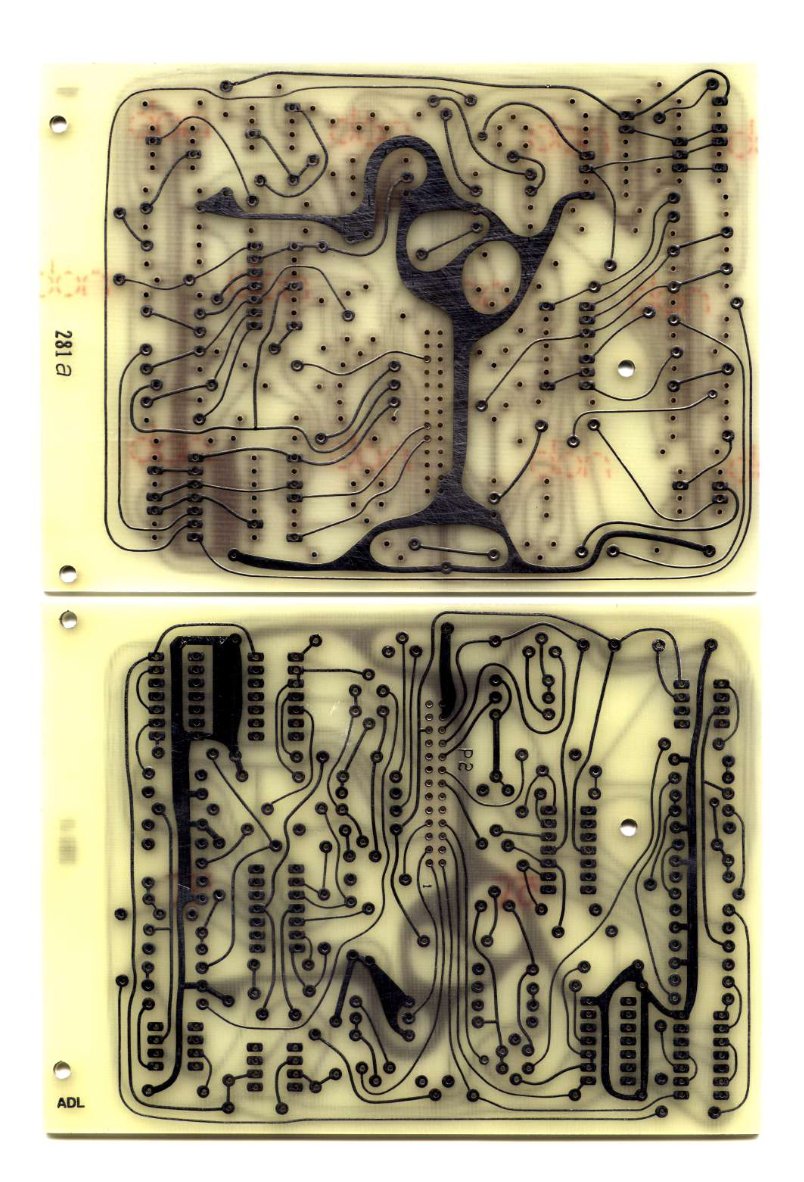
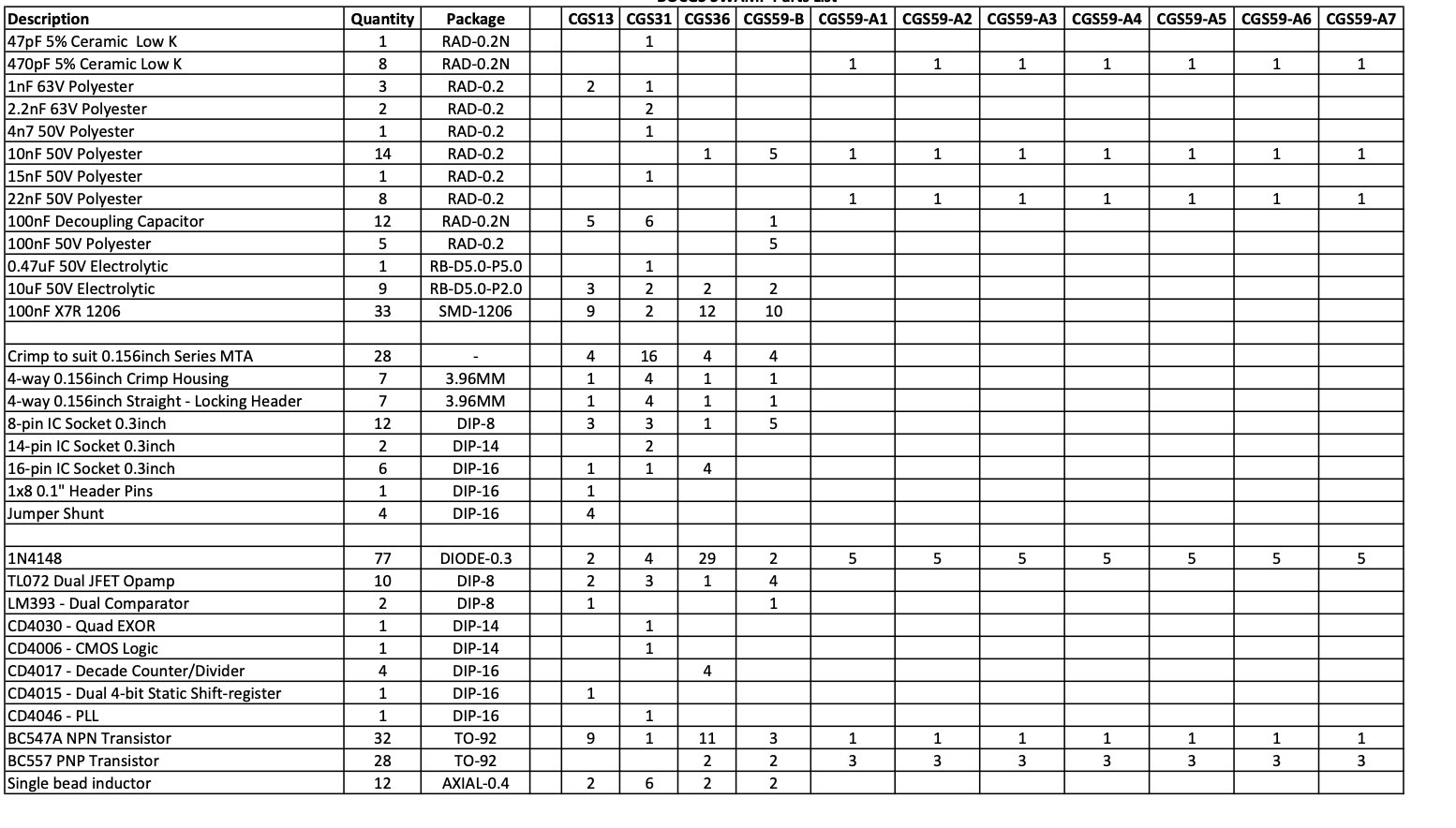
13-Voice CV Synthesizer
- 01One master and twelve sub-voices, each independently controlled through a shared voltage bus.
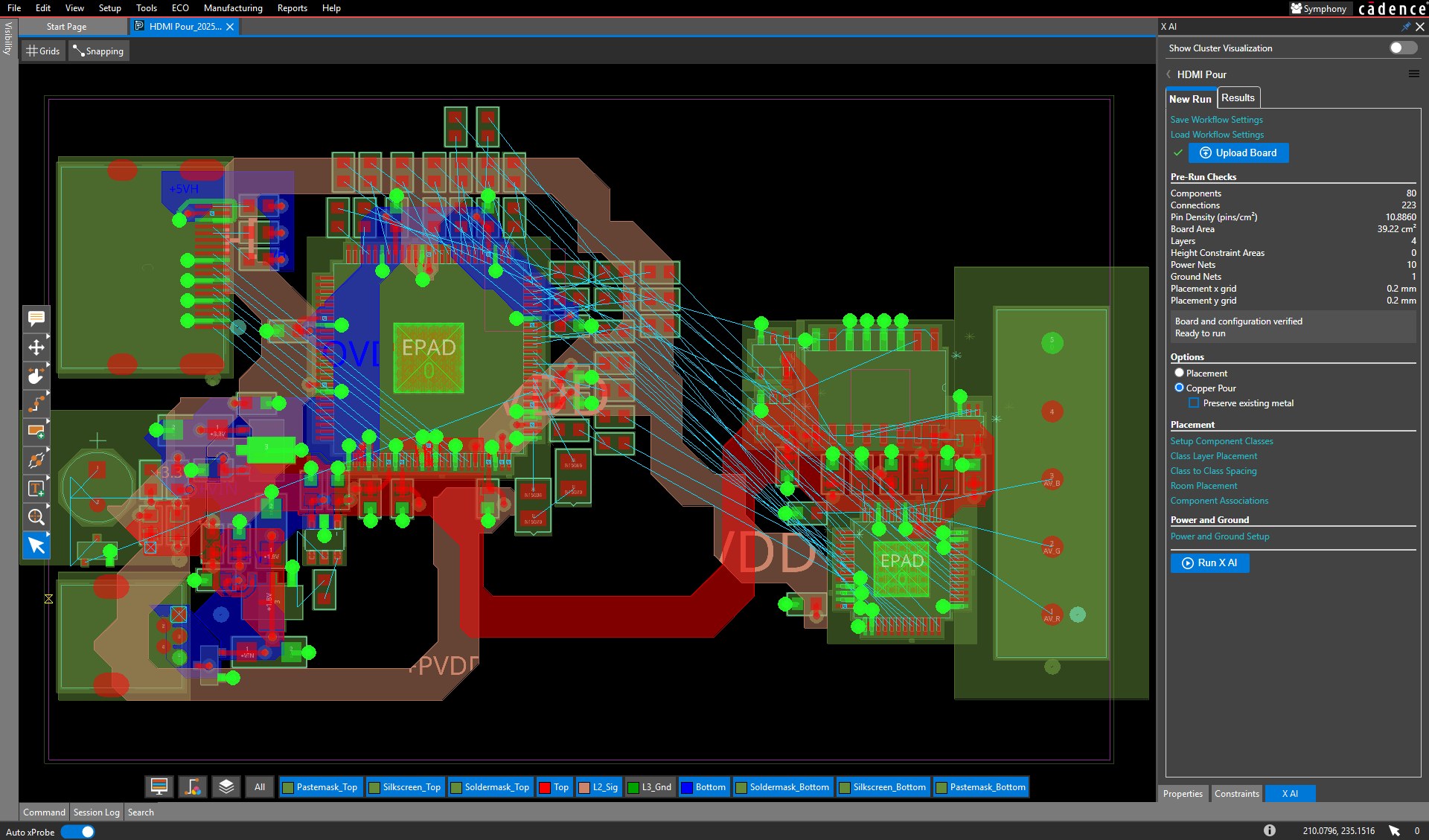
- 02Schematic, layout and hand-etched copper — every one of the thirteen boards.
- 03The hard part was holding control voltages accurate across all thirteen. Debugged board by board on the bench.
13-Voice CV Synthesizer
Work detailThe problem. Thirteen boards on one CV bus is a loading problem before it is a music problem. Each board added draws on the same reference, so pitch drifts as more come online; adjacent voices coupled into each other, and the shared supply sagged under simultaneous gates.
How it was found. Board by board on the bench, not by redesigning the rack — bus loading measured against reference droop, crosstalk isolated by driving one voice and scoping its neighbours, decoupling reworked until the rails held at worst case.
- Architecture
- 1 master · 12 sub-boards · shared CV bus
- Fabrication
- Schematic & layout · hand-etched copper · hand assembly
- Diagnostics
- Bus loading · inter-voice crosstalk · supply decoupling · rail droop under simultaneous load
- Instruments
- Oscilloscope · multimeter · bench supply
- Role
- Solo — design through assembly and debug
- Year
- 2023
Diesel-Electric Workshop · Axis
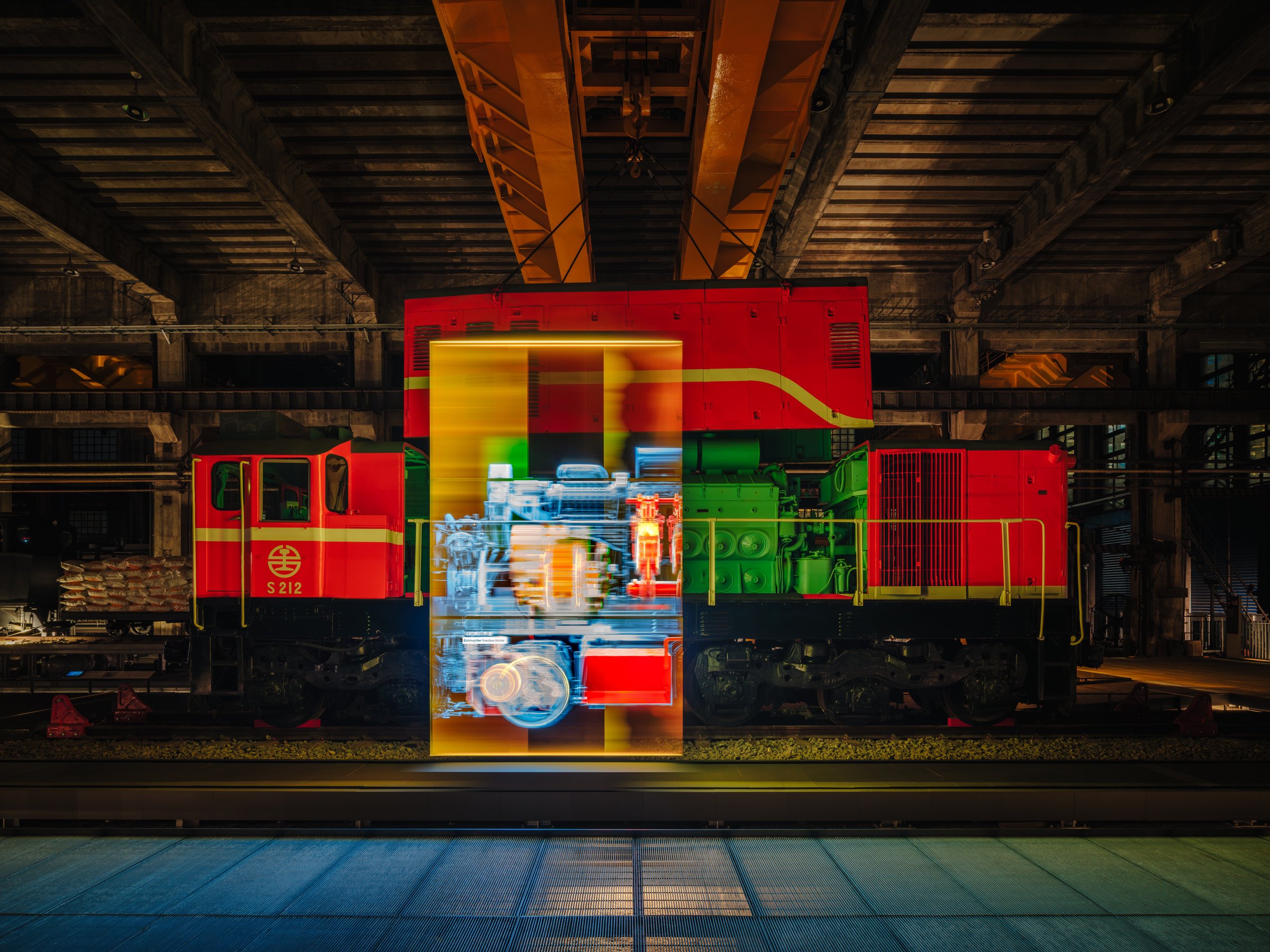
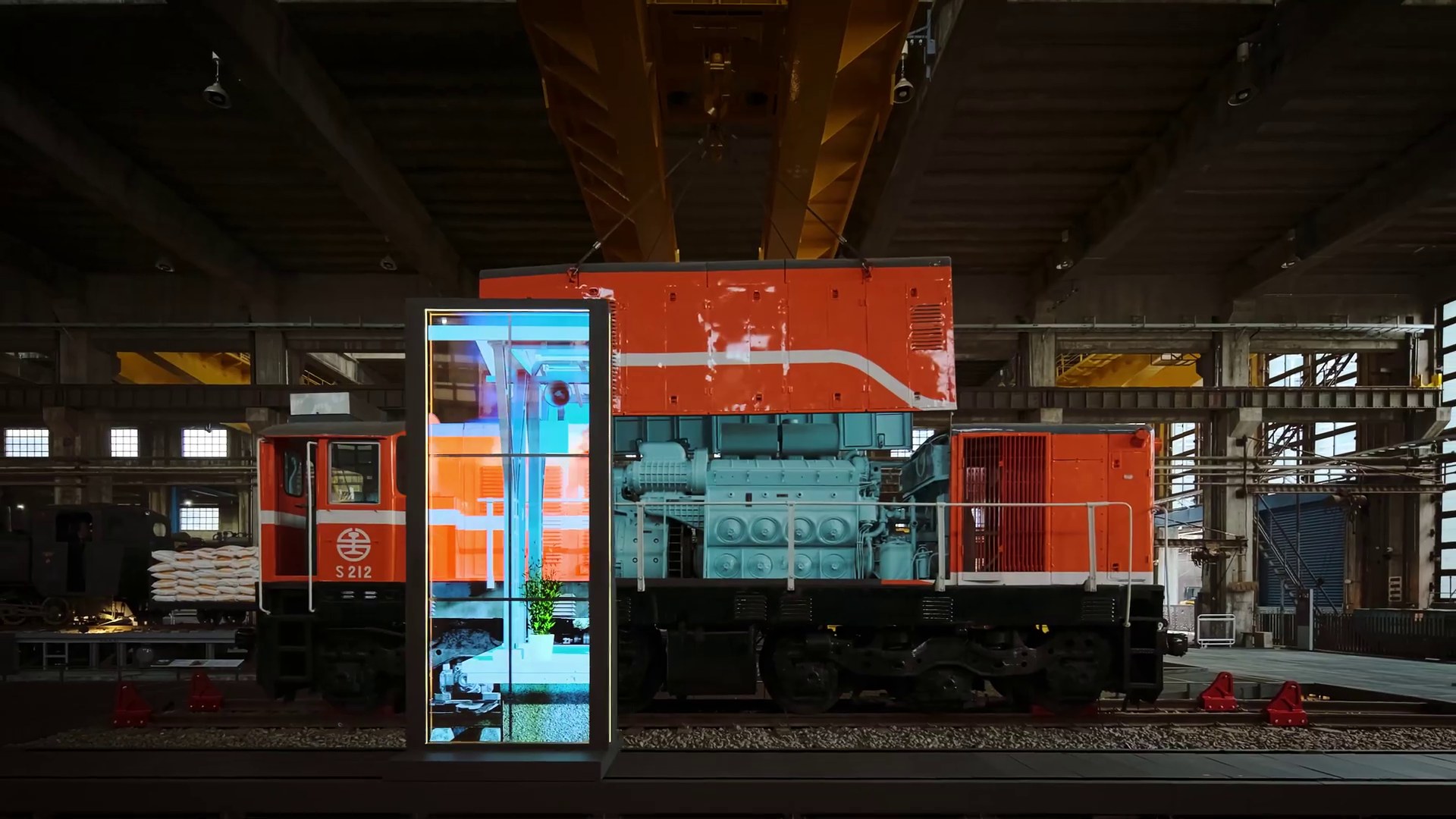

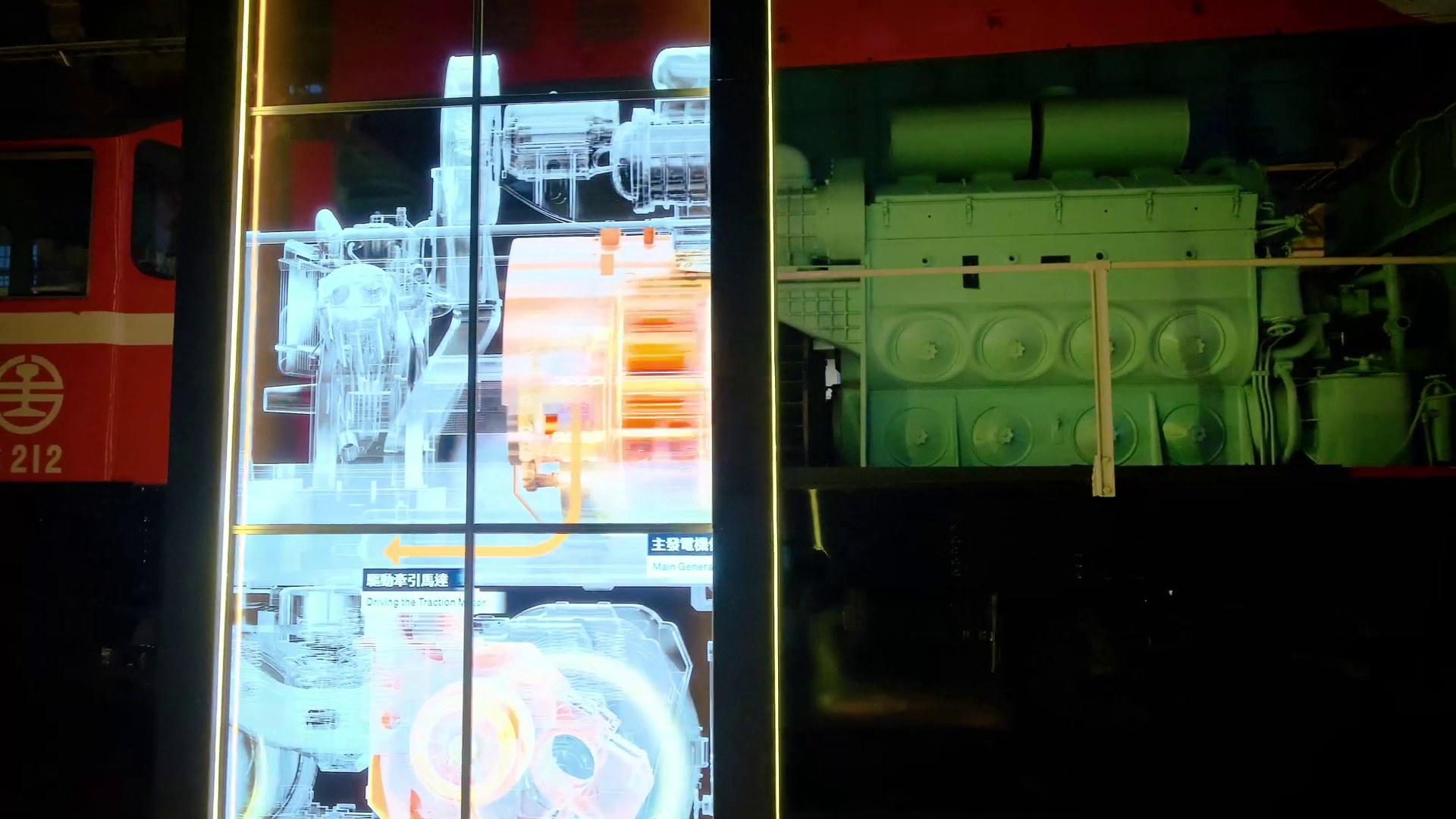
- 01A 20 m single axis carrying 500 kg — six transparent screens on a servo carriage, owned from mechanical design through drive sizing to on-site commissioning.
- 02Effective inertia changes along the travel, so position and velocity run over an inner torque loop — one set of gains holding end to end.
- 03Playback indexed to absolute encoder position, not to a clock — the glass stays registered to the machine behind it, and the error cannot accumulate.
- 04On a scheduled PM cycle since 2025 — on-site fault isolation plus remote monitoring.
Diesel-Electric Workshop
Work detailThe axis. Half a tonne over 20 m. A single position loop overshoots where inertia is low and lags where it is high — the inner torque loop absorbs that variation.
Absolute feedback. Position is known at power-on — no reference run down 20 m of rail with 500 kg on it. The power-off brake holds on E-stop rather than coasting.
Registration. Time-indexed playback would drift the first time the axis lagged under load, and the error would accumulate. Indexing to encoder position cannot.
- Client
- National Railway Museum, Taipei · IF Plus Art
- Axis
- 20 m single axis · 500 kg moving load · six transparent screens
- Drive
- 600 W AZX servo · 25:1 planetary · 43 N·m · AZXD-SED over EtherCAT
- Feedback
- Battery-free absolute encoder · power-off brake
- Service
- Permanent since 2025 · scheduled PM · remote monitoring
Overhead-Crane Automation
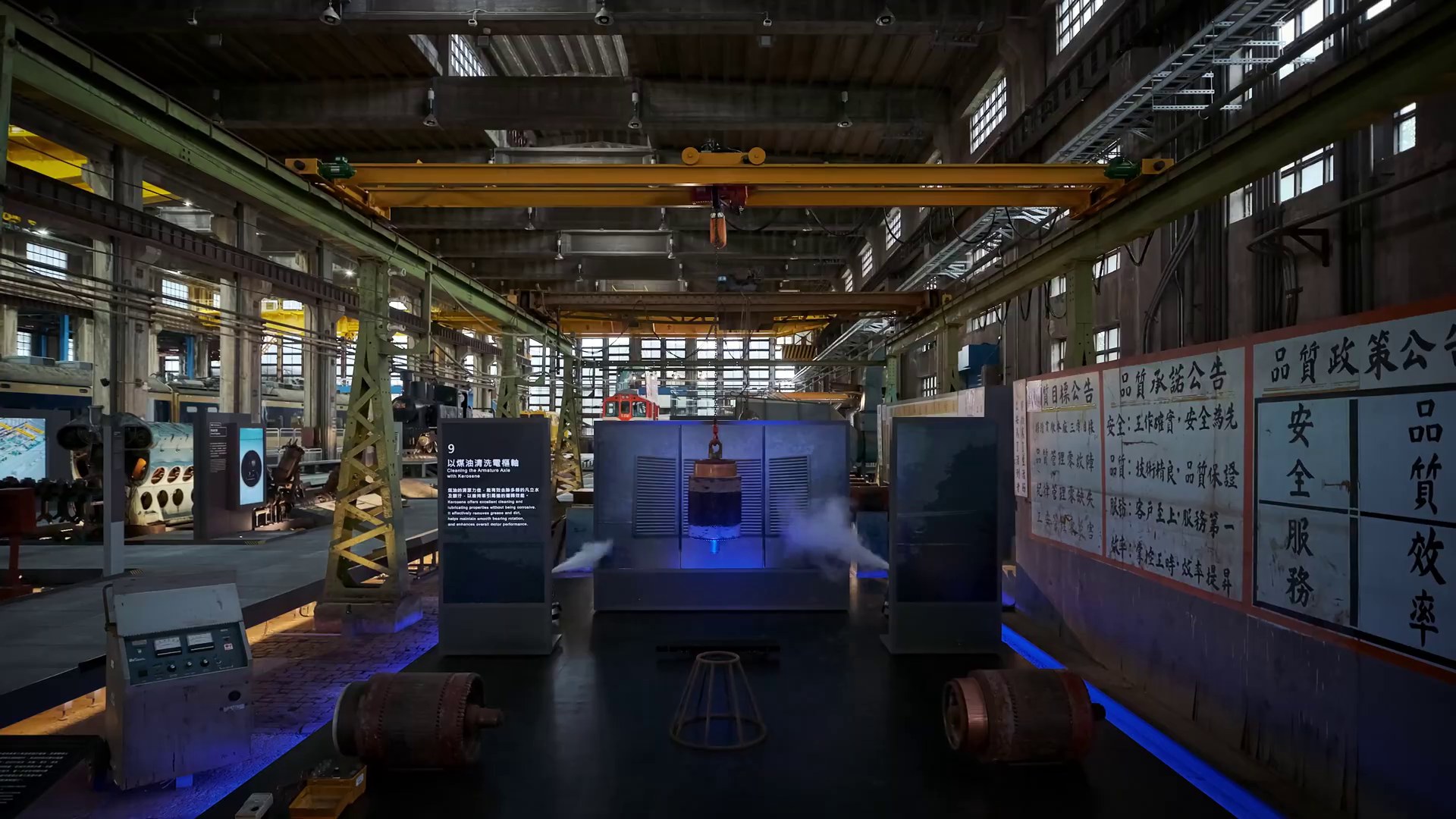
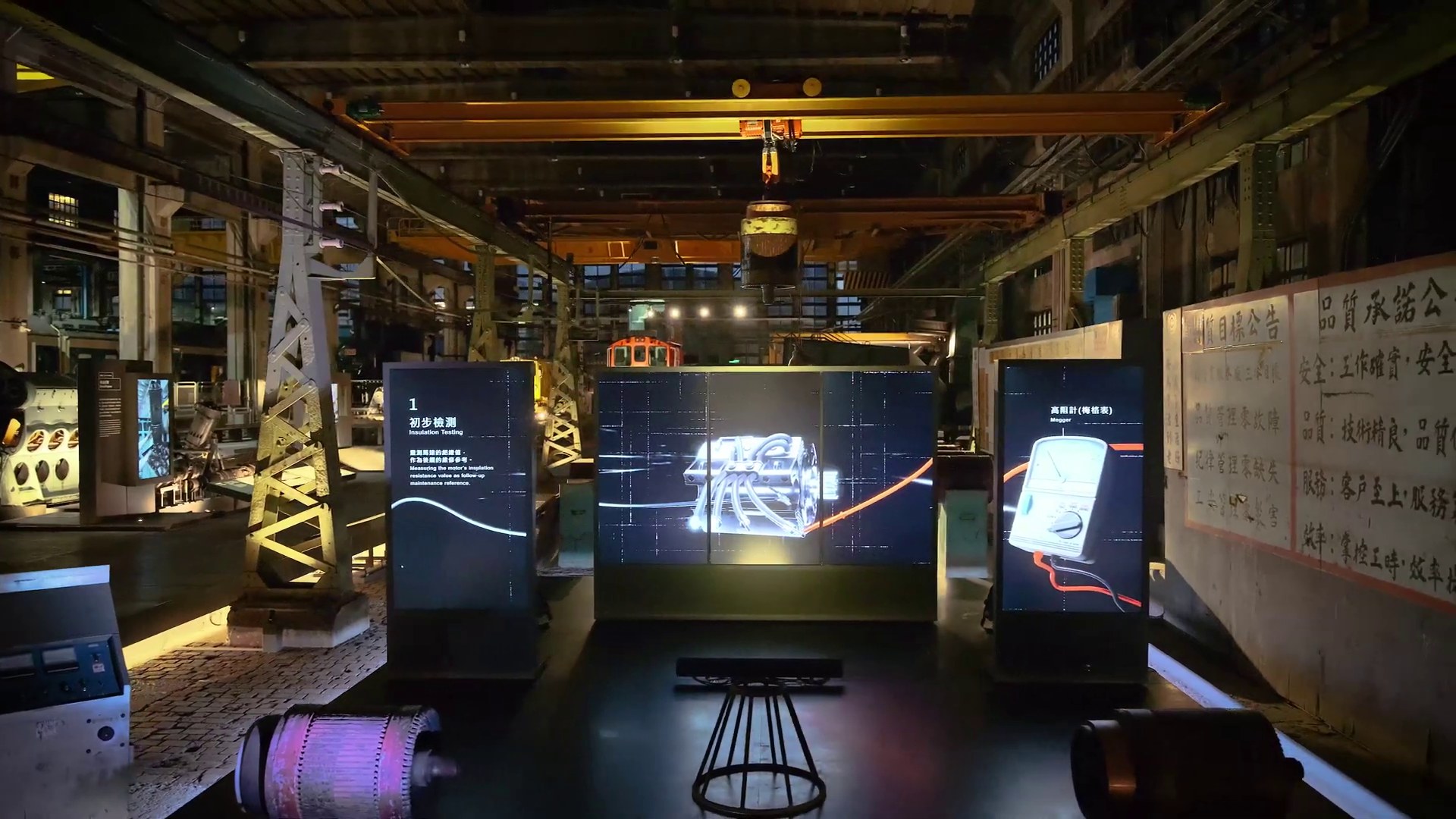
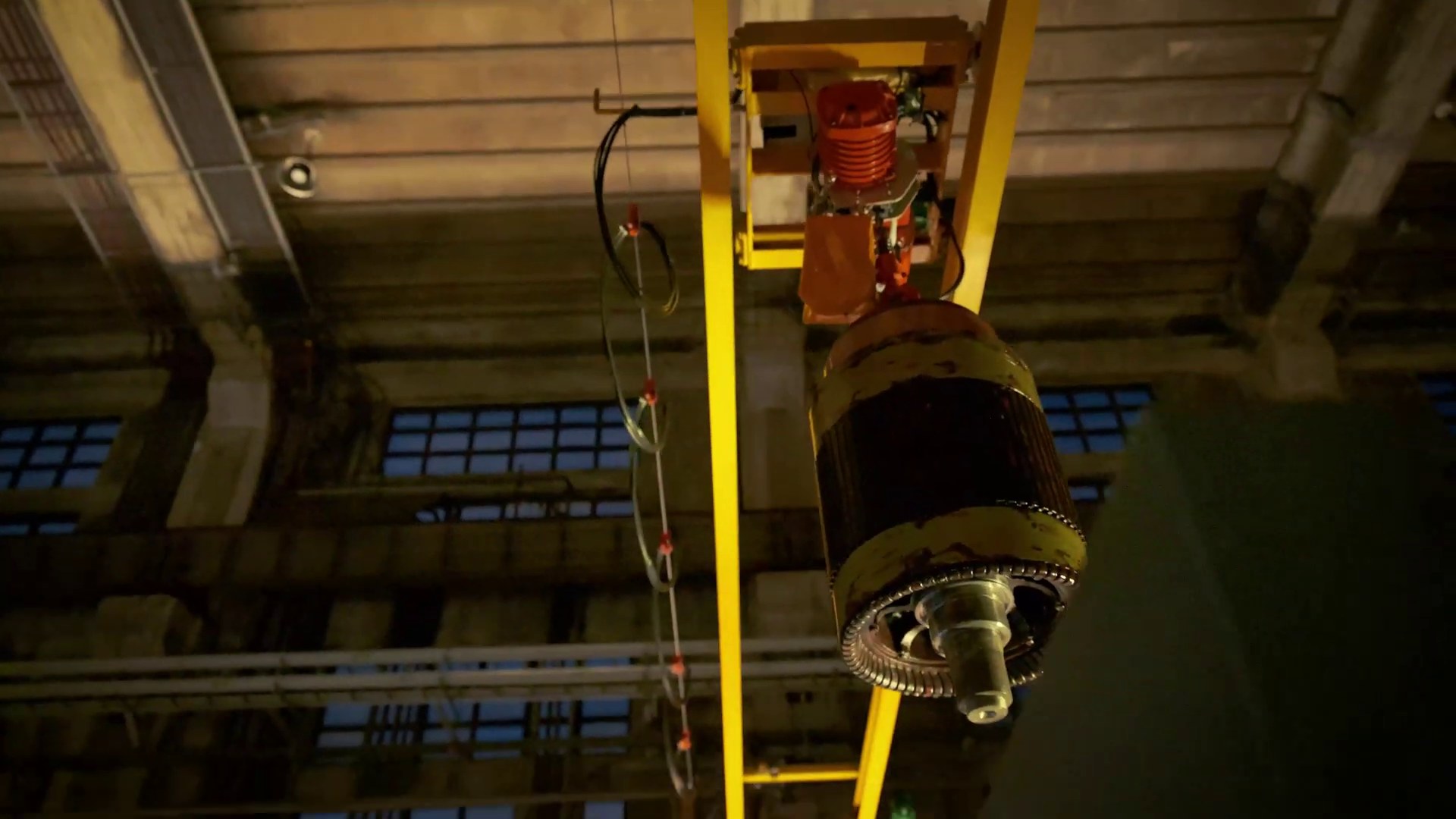
- 01Converted a manually operated overhead crane into a fully automatic system — a 60 kg armature moving above a public floor.
- 02Different architecture from the axis next door — PLC logic control: point-to-point moves, arrival detection and interlocks, not a shaped velocity profile.
- 03The real problem was backlash and pendulum swing — solved from the control side: S-curve ramps, creep speed on approach, and closing the loop on three laser range finders rather than motor feedback.
- 0460 taught points normalised into a lookup table — a reference you can re-verify later, not a one-off setup.
Overhead-Crane Automation
Work detailWhy it was hard. A manual crane isn't built for automatic control. Once the system took over, the armature swung on start and stop and the laser readings oscillated around the target — the system couldn't tell whether it had arrived.
The fix came from the control side, since the existing hardware couldn't change: S-curve ramps to absorb the swing energy, and creep speed near the target.
Where the feedback lives. Deriving end position from the motor accumulates backlash and deflection. Three laser range finders move the feedback point to where the mechanism actually is.
- Client
- National Railway Museum, Taipei · IF Plus Art
- Load
- 60 kg armature · overhead crane, public floor below
- Control
- PLC logic · point-to-point · arrival detection & interlocks
- Metrology
- Three laser range finders · 60-point lookup table
- Safety
- Physical travel limits set before positioning was attempted

Culture-Tech Exchange
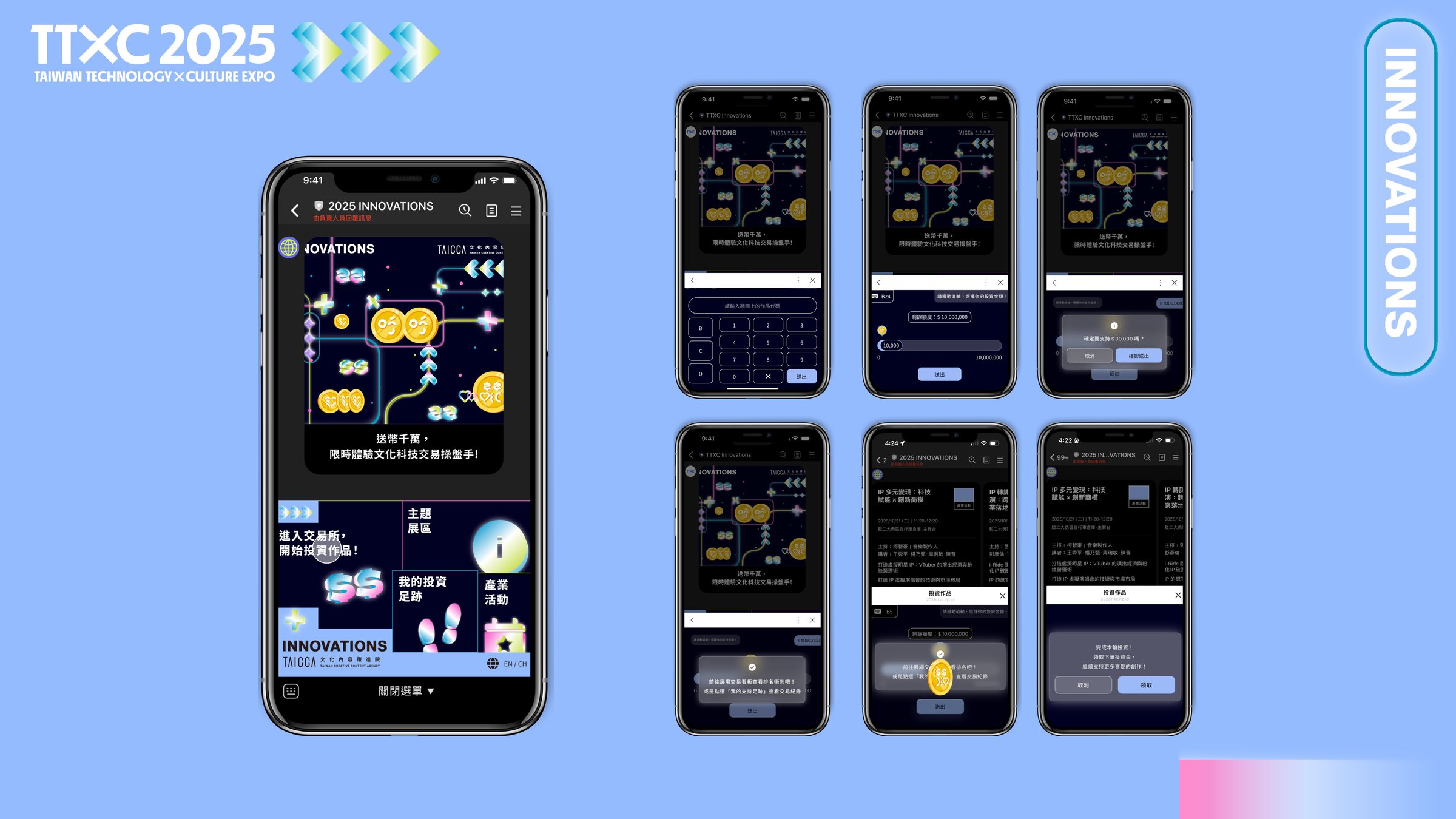
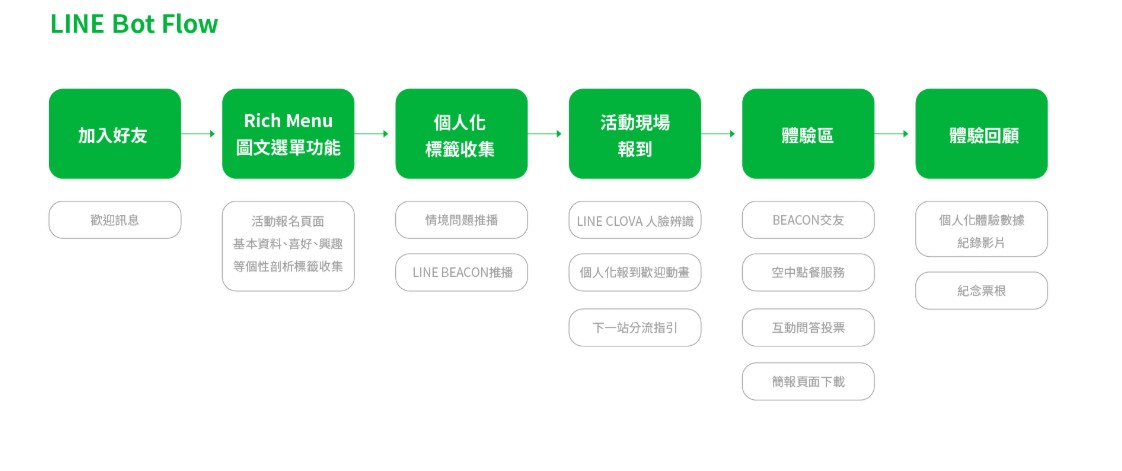
- 01Visitors played on their own phones through LINE OA — no app to install, no account to make. That is what made the whole thing work.
- 02Mobile ↔ venue data synchronised across platforms on a fixed three-minute leaderboard cycle.
- 03Deployed and operated on site across four days — NT$4.7 bn in virtual capital placed by the public.
Culture-Tech Exchange
Work detailWhy LINE OA was the design. Anything requiring an app install loses most of an exhibition audience at the door. Building on the LINE Official Account made the entry cost zero — visitors opened something already on their phone. Every other decision followed from that one.
The constraint. Hundreds of phones and the venue display have to agree on one market state. A fixed three-minute settlement cycle: long enough to batch and reconcile, short enough that the room still feels live.
- Client
- TAICCA
- Studio
- IF Plus Art
- Entry point
- LINE Official Account — no app install
- Stack
- Unity · LINE OA · real-time networking · cross-platform data sync
- Cycle
- Fixed 3-minute leaderboard settlement
- Scale
- 4 days on site · NT$4.7 bn virtual capital placed
- Doc
- Video ↗
1,000+ riders
AI Living Lab
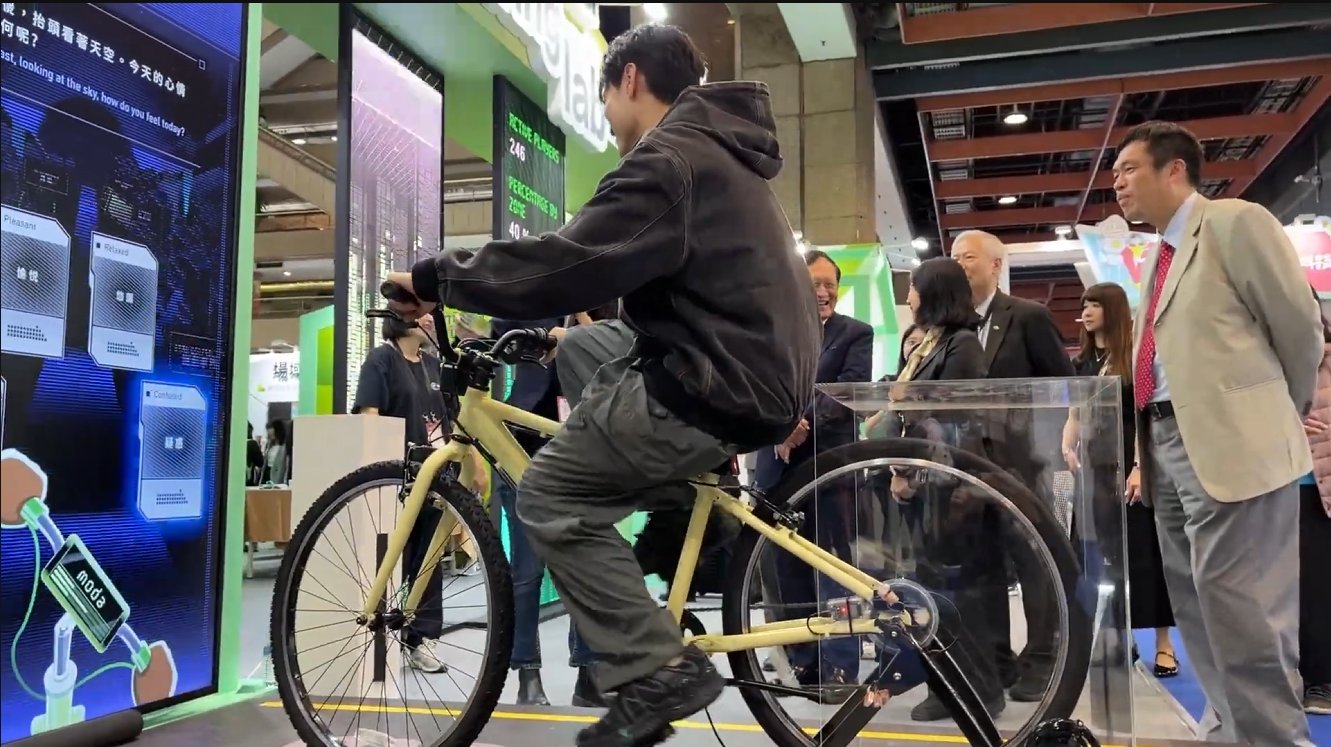
- 01A custom instrumented bicycle — sensors on cadence, speed and route selection, with signal conditioning and normalisation.
- 02That live riding data drives a model that generates a soundtrack for that specific ride, in real time, as the rider pedals.
- 03Four days of continuous public duty, 1,000+ riders, no supervised reset between them.
AI Living Lab
Work detailHardware. The bicycle is instrumented from scratch — cadence, speed and route — with the analog side conditioned and normalised before anything downstream sees it. A child and an adult do not produce the same scale of raw values, and the model needs them to.
What public duty actually tests. Not peak performance — recovery. A thousand people used it with no controlled conditions: sensors knocked, riders dismounting mid-session. The engineering was making each session independent enough that a bad one did not take the next with it.
- Client
- Ministry of Digital Affairs (MODA)
- Hardware
- Custom instrumented bicycle · cadence, speed and route sensing · signal conditioning · data normalisation
- Generation
- Live riding dynamics → real-time generative audio model
- Output
- Per-rider soundtrack, printed as a cassette postcard
- Load
- 1,000+ riders over 4 continuous days
- Doc
- Video ↗
Threshold
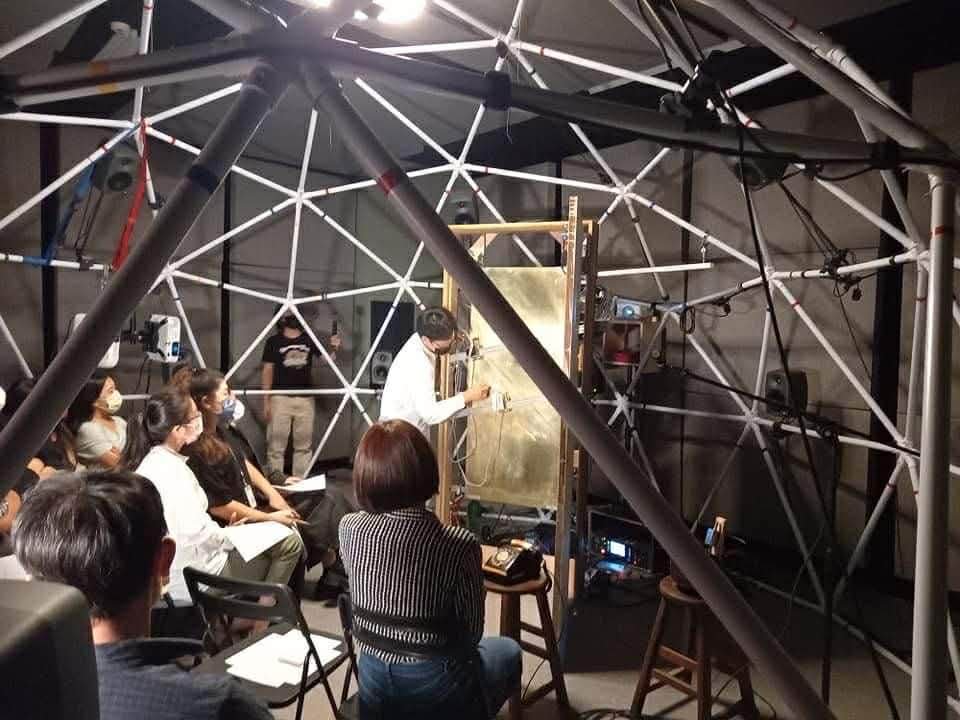
- 01Stepper motors, solenoids and pneumatics driven in a closed feedback loop with real-time neural audio synthesis.
- 02The engineering constraint was the latency budget between sensing and actuation — and the mechanical settling time that budget has to absorb.
- 03Three builds over three years. v2 ran across a 49.4-channel Ambisonics system, the first at that scale in Taiwan.
Threshold
Work detailWhy a feedback loop is a stability problem. Any loop with real mechanics in it has dead time: solenoids and pneumatics do not respond instantly, and the structure keeps ringing after the actuator stops. Feed that into a stage reacting in milliseconds and the system runs away or hunts.
Three versions, three rebuilds. Each was rebuilt around what failed in the last. v2 ran the modified RAVE pipeline across a 49.4-channel Ambisonics system — the first at that scale in Taiwan.
- Actuation
- Stepper motors · solenoids · pneumatics · closed-loop control
- Loop design
- Feedback stability · mechanical settling time · sensing-to-actuation latency budget
- Audio
- Modified RAVE pipeline · k-means · Max/MSP · Ambisonics
- Venues
- Taichung 2022 · C-LAB Taipei 2023 · NYCU 2024
- Role
- Solo — apparatus, actuator control, loop stability, all three versions
- Doc
- Video ↗
04 — Contact
Available immediatelyBased in Taichung. Available immediately.
bernie5@dataraw.tech- Phone
- +886 983 717 444
- Based
- Taiwan
- Documents
- CV